
Does TMS Help With Motivation in Depression?
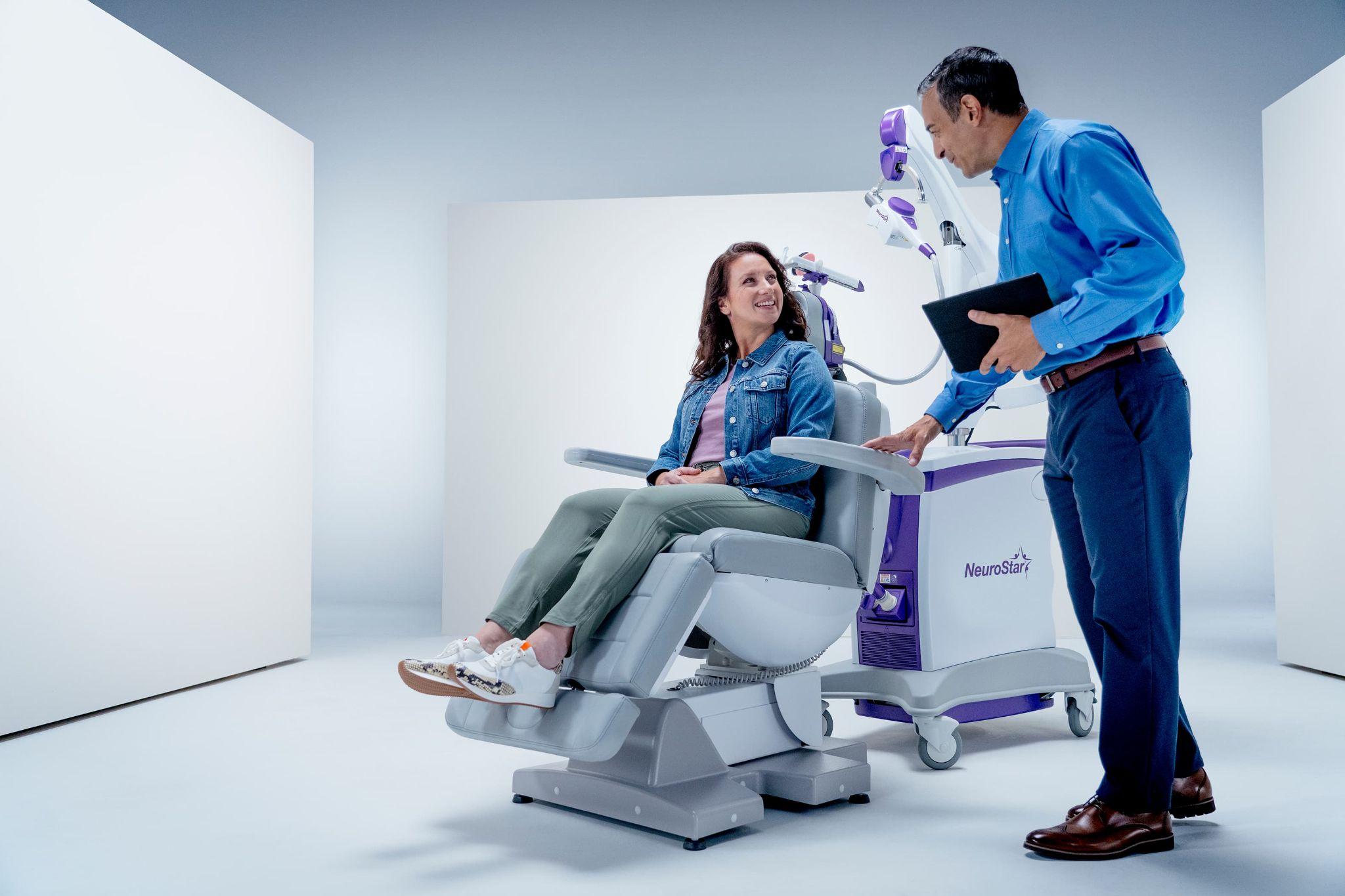
Low motivation can improve with TMS, but only when it is connected to depression rather than everyday stress or a lack of discipline. For many people with major depressive disorder, low motivation comes with emotional numbness, ongoing fatigue, reduced interest in daily activities, and difficulty getting started, even with simple tasks.
TMS is not designed to increase motivation by itself. Instead, it targets depression, and many people notice motivation returning as their symptoms begin to ease. Recovery looks different for everyone, and progress often happens gradually instead of all at once. Keep reading to learn how TMS may help restore motivation over time.
Key Takeaways
- TMS is used to treat depression-related symptoms
- FDA-cleared TMS targets the dorsolateral prefrontal cortex (DLPFC)
- A standard TMS treatment course typically lasts 4-6 weeks
Does TMS Help With Motivation?
Yes, Transcranial Magnetic Stimulation (TMS) can help improve motivation, but primarily when low motivation is a direct symptom of major depressive disorder rather than everyday burnout or a lack of discipline. For many individuals living with depression, a severe loss of drive is accompanied by persistent mental fatigue, emotional numbness, anhedonia, and difficulty initiating even simple daily tasks.
Because TMS is an FDA-cleared treatment designed to target the underlying neurological causes of depression, patients evaluating options like TMS Therapy Fayetteville or neighboring clinics frequently experience a gradual restoration of motivation, mental energy, and daily functioning as their overall depressive symptoms begin to lift. Keep reading to learn how TMS restores brain activity and supports long-term recovery.
How Does TMS Affect The Brain?
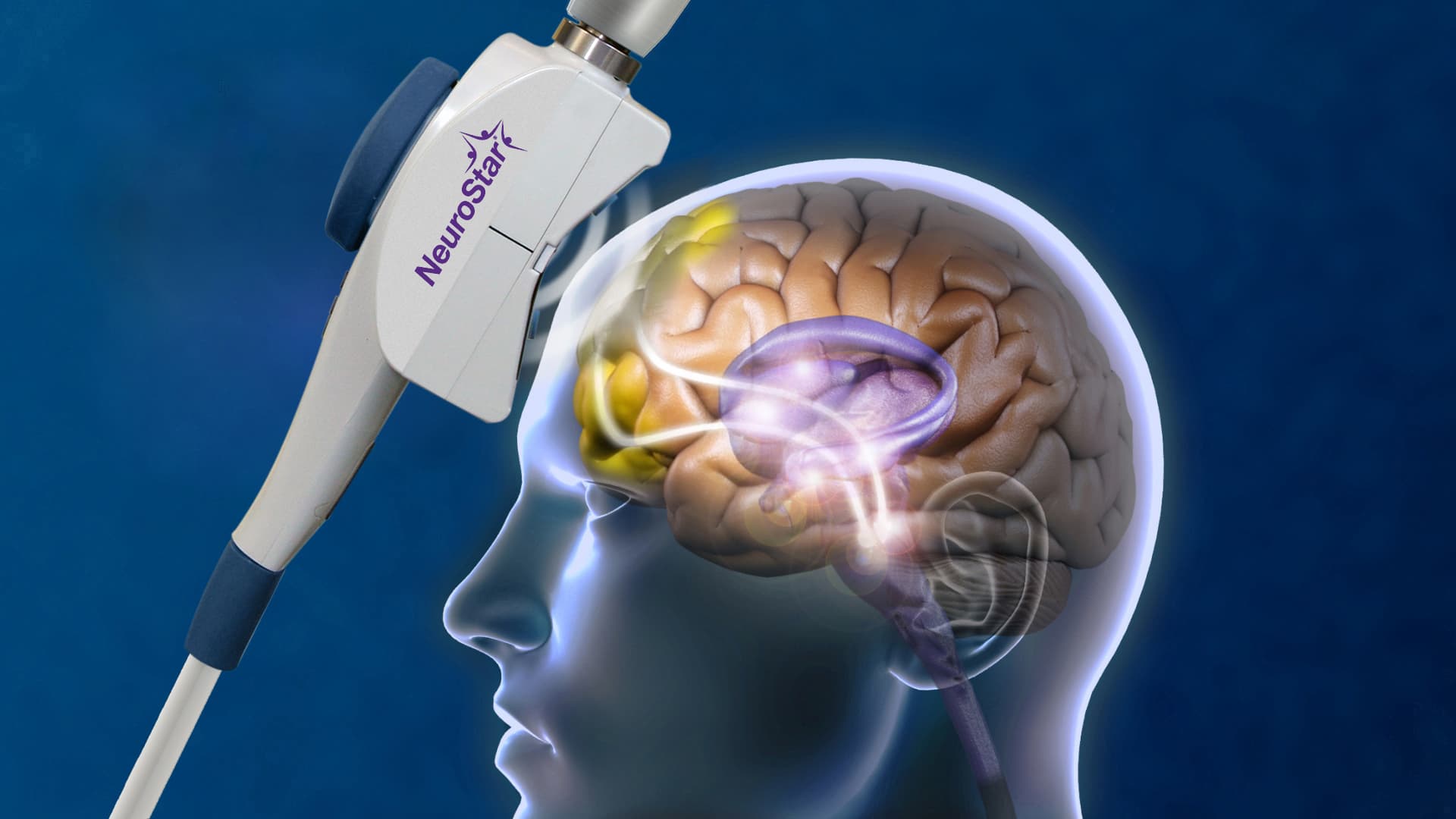
TMS uses magnetic pulses to stimulate a part of the brain called the left dorsolateral prefrontal cortex.
This area helps control planning, attention, decision making, and goal directed behavior. In many people with depression, it is less active than expected. By stimulating this region, TMS promotes neuroplasticity and can increase dopamine levels, the primary neurotransmitter responsible for reward processing, drive, and goal-directed motivation. Researchers believe restoring this activity counteracts symptoms such as poor concentration, severe apathy, and slowed thinking.
"The dorsolateral prefrontal cortex (DLPFC) is a crucial structure in goal-directed actions and therefore is a potential target in modulating effortful motivation." – Journal of Affective Disorders
During treatment, a magnetic coil rests against the scalp. The pulses pass through the skull and stimulate brain cells without surgery or anesthesia. Patients stay awake during each session and can usually return to work or other normal activities afterward.
The treatment does not create motivation overnight.
Instead, it helps restore healthier brain activity over time. As the depression begins to lift, patients may notice clearer thinking, better focus, and more interest in daily life. Motivation often improves as part of that recovery rather than as a separate effect.
Who May Benefit Most?
Not everyone with low motivation is a candidate for TMS.
The treatment is intended for people whose lack of motivation is directly linked to clinical depression. It is not used to treat everyday stress, emotional burnout, or normal lifestyle fluctuations in energy.
Patients who may benefit include those with:
- Treatment resistant depression
- Anhedonia, which is a reduced ability to enjoy activities
- Emotional numbness
- Depression related fatigue
- Loss of interest in hobbies, work, or relationships
- Difficulty starting everyday tasks
A careful evaluation is always the first step. Low motivation can also be caused by other medical conditions, including thyroid disease, sleep disorders, medication side effects, or neurological illness. Those problems require different treatment.
When Does Motivation Usually Improve?

Most patients do not notice a major change after the first few sessions.
Clinical data from health institutions shows standard TMS courses usually last four to six weeks. Treatment is given several days each week, allowing changes in brain activity to build gradually over time.
"A typical course of rTMS treatment consists of daily sessions 5 days per week for 4-6 weeks." – National Institute of Mental Health (NIMH)
The first improvement is not always motivation.
Some patients notice better concentration. Others sleep a little better or feel less mentally drained during the day. As depression continues to improve, motivation often follows.
Progress is different for every patient.
| Possible Change | When It Is Commonly Noticed |
| Better concentration | Early treatment for some patients |
| More mental energy | During the treatment course |
| Improved motivation | As depression symptoms improve |
| Greater interest in activities | Gradually over several weeks |
| Better daily functioning | As recovery continues |
These changes are not guaranteed, and they do not follow the same timeline for everyone. Regular follow up visits help the treatment team monitor progress and decide whether the treatment is working as expected.
Can TMS Improve More Than Motivation?
Yes, and that is something many patients notice during treatment.
Depression rarely affects only one symptom. Someone who has trouble finding motivation may also struggle to concentrate, think clearly, or stay interested in everyday life. Those depression symptoms are connected, so they often improve together instead of one at a time.
For example, a patient may first notice it is easier to stay focused while reading. Another may realize they are cooking dinner again instead of ordering takeout every night. Others reconnect with hobbies they had stopped enjoying.
These are meaningful changes because they reflect recovery from depression, not because TMS is directly treating motivation as its own condition.
| Symptom | Possible Change During Recovery |
| Motivation | Easier to begin tasks |
| Focus | Better attention |
| Mental fatigue | Less mental exhaustion |
| Interest | More enjoyment in activities |
| Daily routine | Easier to keep up with responsibilities |
There is no fixed order. One symptom may improve before another, and recovery looks different from person to person.
What Are The Limitations?

TMS is not indicated for every case of low motivation.
A person who feels unmotivated because of poor sleep, thyroid disease, medication side effects, substance use, or another medical condition needs treatment for that specific problem.
Similarly, people whose symptoms are primarily related to anxiety may require a different evaluation, as TMS therapy for work anxiety follows its own clinical considerations. That is why a full evaluation comes first.
Safety also matters.
Some people are not candidates for TMS because they have certain implanted medical devices or metal near the head that cannot be removed. The treating psychiatrist reviews medical history before recommending treatment.
The goal is to make sure TMS is both safe and appropriate.
How Does TMS Compare With Other Treatments?
TMS is one treatment for depression. It is not meant to replace every other option.
Many patients begin with antidepressant medication, psychotherapy, or both. If symptoms continue despite treatment, TMS may be considered.
These treatments can work together.
Some patients continue taking medication during TMS. Others combine TMS with therapy. The right plan depends on your diagnosis, symptoms, previous treatments, personal goals, and whether TMS for teens or adult treatment protocols are appropriate for the individual being evaluated.
Is TMS the Right Option?
TMS isn't meant to boost motivation on its own. It treats depression, and as symptoms improve, many people find it easier to get started with daily tasks, think more clearly, and reconnect with the parts of life they've been missing. It takes time. Every person's recovery looks different, and steady progress is more common than sudden change.
If depression has continued despite medication or therapy, TMS of the Carolinas offers comprehensive clinical evaluations to help you determine if brain stimulation is right for you. [Schedule a consultation with TMS of the Carolinas] today to take the first step toward restoring your motivation and daily well-being.
FAQs
How does TMS therapy affect low motivation?
TMS therapy is FDA-cleared to treat depression rather than low motivation alone. When depression symptoms such as anhedonia, emotional numbness, or mental fatigue improve, some people also experience better motivation, mental energy, and interest in daily activities. The degree of improvement varies between individuals.
What role does the prefrontal cortex play in motivation?
The dorsolateral prefrontal cortex (DLPFC) helps regulate executive function, reward processing, attention, and goal-directed behavior. During transcranial magnetic stimulation, magnetic pulses target this brain region to influence neural activity associated with depression treatment and cognitive function.
Can TMS therapy improve mental energy and daily functioning?
TMS therapy aims to reduce depression symptoms that interfere with mental energy and daily functioning. As symptoms improve, some people find it easier to complete everyday tasks, maintain focus, and re-engage in activities they previously avoided. Treatment outcomes differ from person to person.
Is TMS therapy suitable for treatment-resistant depression?
TMS therapy is commonly recommended for people with treatment-resistant depression when antidepressant medications have not provided sufficient symptom relief. This noninvasive treatment is performed on an outpatient basis and does not require surgery, anesthesia, or recovery time after each treatment session.
How long does a standard TMS therapy course take?
A standard course of TMS therapy usually lasts four to six weeks, with treatment sessions scheduled several times each week. Healthcare providers monitor changes in depression symptoms, cognitive function, and overall daily functioning throughout the treatment to evaluate each patient's response.
References
- https://www.sciencedirect.com/science/article/abs/pii/S016503272400675X
- https://www.nimh.nih.gov/health/topics/brain-stimulation-therapies/brain-stimulation-therapies