
A psychiatrist determines whether Transcranial Magnetic Stimulation (TMS) or Spravato (esketamine nasal spray) is right for treatment-resistant depression. This decision is based on a detailed review of your medical history, symptom severity, tolerance for side effects, and practical lifestyle factors.
TMS is a non-invasive, drug-free brain stimulation therapy that builds gradual improvement over weeks. Spravato is a rapid-acting nasal spray medication that can relieve symptoms quickly but requires strict medical supervision.
At TMS of the Carolinas, we guide patients toward the plan that fits their needs. Keep reading to understand these two advanced options.
Key Takeaways
- TMS vs Spravato work in different ways: TMS uses magnetic stimulation for gradual, drug-free relief, while Spravato is a fast-acting nasal spray that affects brain chemistry.
- The treatment experience is very different: TMS lets you return to daily activities immediately, while Spravato requires monitoring after treatment due to possible dissociation.
- The right choice is personal: Your need for speed, medical history, side-effect tolerance, and schedule all shape the best option.
The Fundamental Distinction: Procedure Versus Medication

You are looking at two very different ways to treat depression. Transcranial Magnetic Stimulation (TMS) is a procedure. Spravato is a medication. This basic difference affects how they work and what treatment feels like.
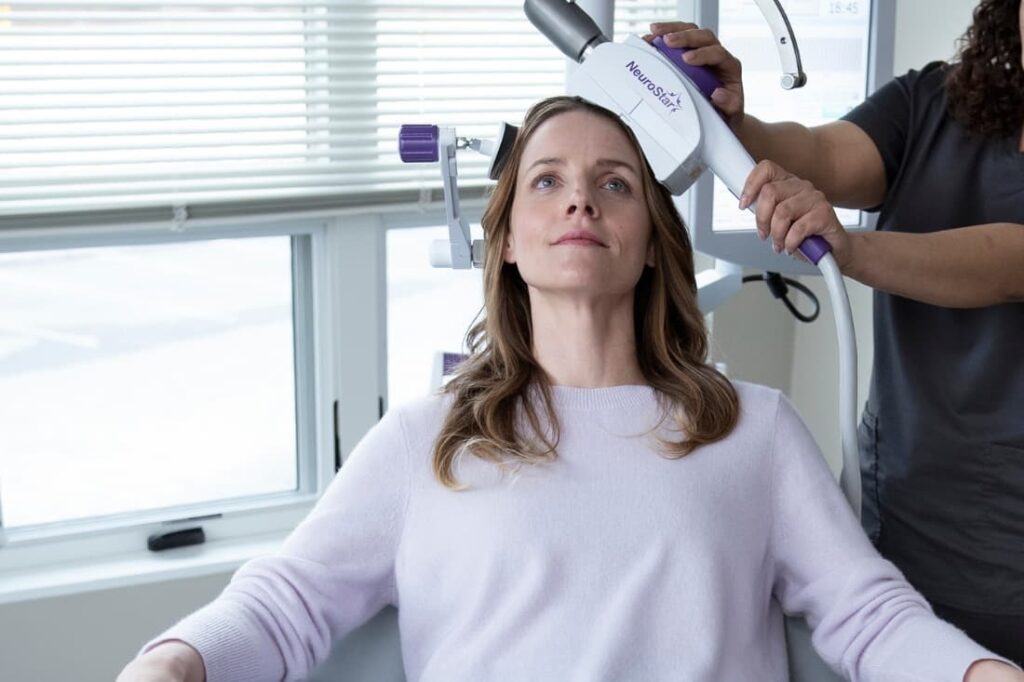
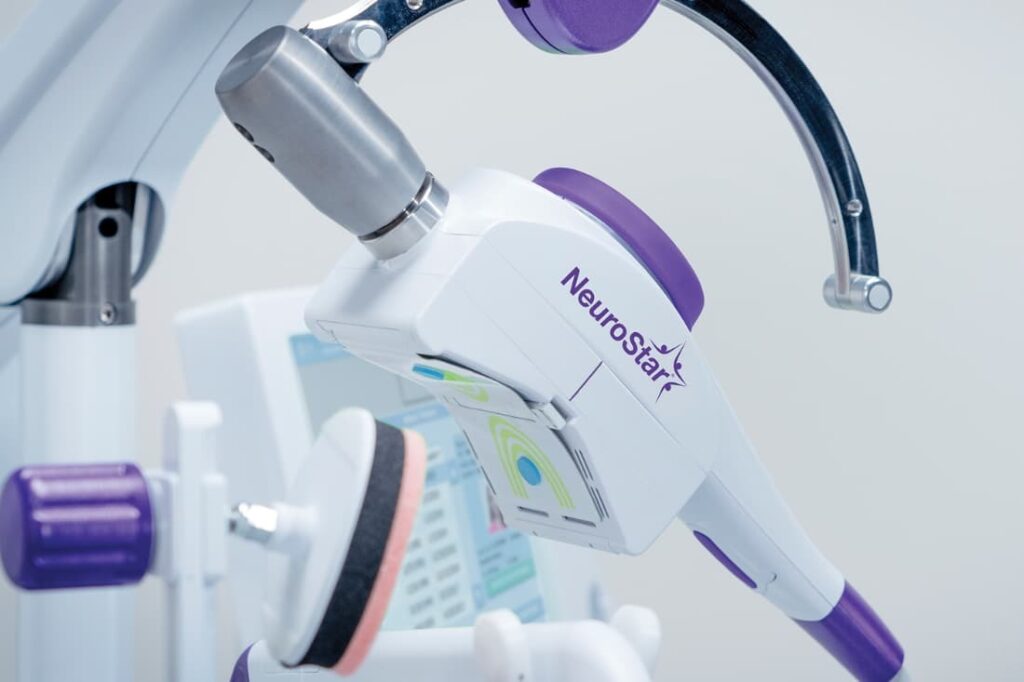
TMS is a procedure. A magnetic coil is placed against your scalp. It sends focused pulses to a specific part of the brain that is often underactive in depression. This form of TMS therapy works without medication and is designed to gradually regulate brain activity linked to depression symptoms.
These pulses gently stimulate brain circuits to normalize activity over time. It is a form of brain stimulation, not a drug.
Spravato is a medication. It is esketamine, delivered as a nasal spray. It works by affecting the brain’s glutamate system. This chemical action can quickly change mood perception.
| Feature | TMS Therapy | Spravato |
| Treatment Type | Non-invasive brain stimulation procedure | Prescription nasal spray medication |
| How It Works | Uses magnetic pulses to stimulate brain activity | Alters glutamate activity in the brain |
| Drug-Free | Yes | No |
| Treatment Setting | Outpatient clinic | Certified medical clinic |
| Typical Schedule | 5 sessions weekly for 4–6 weeks | Twice weekly during induction phase |
| Session Length | About 20–40 minutes | Over 2 hours including monitoring |
| FDA Status | Approved for treatment-resistant depression | Approved for treatment-resistant depression with oral antidepressant |
| Immediate Return to Activities | Yes | No |
| Need for Transportation Assistance | No | Yes |
How Each Treatment Works: Mechanism of Action
Understanding how these treatments work explains why their effects feel so different. It’s not just how they are given, but what they do inside your brain.
How TMS Works
TMS works through neurophysiology, or brain stimulation. The magnetic pulses create a small electrical current in the targeted brain tissue. This stimulates neurons in a key area for mood regulation.
Research from Neuropsychopharmacology shows
“Non-invasive alternatives like Transcranial Magnetic Stimulation (TMS) have since been developed and are now FDA approved for treating various neuropsychiatric disorders, including MDD” – Neuropsychopharmacology
The goal is to increase activity in these underactive circuits, encouraging the brain to form new connections. The effect builds up over repeated sessions, like exercising a muscle.
How Spravato Works
Spravato works through pharmacology, or medicine. The esketamine molecule blocks certain receptors in the brain’s glutamate system. Glutamate is the main excitatory chemical in the brain.
By affecting this system, Spravato can trigger a rapid increase in the formation of new brain connections. This can lead to fast changes in mood, sometimes within hours.
One treatment stimulates activity from the outside. The other alters chemistry from within. This leads directly to their different speeds, side effects, and patient experiences.
The Treatment Experience: A Contrast in Sessions
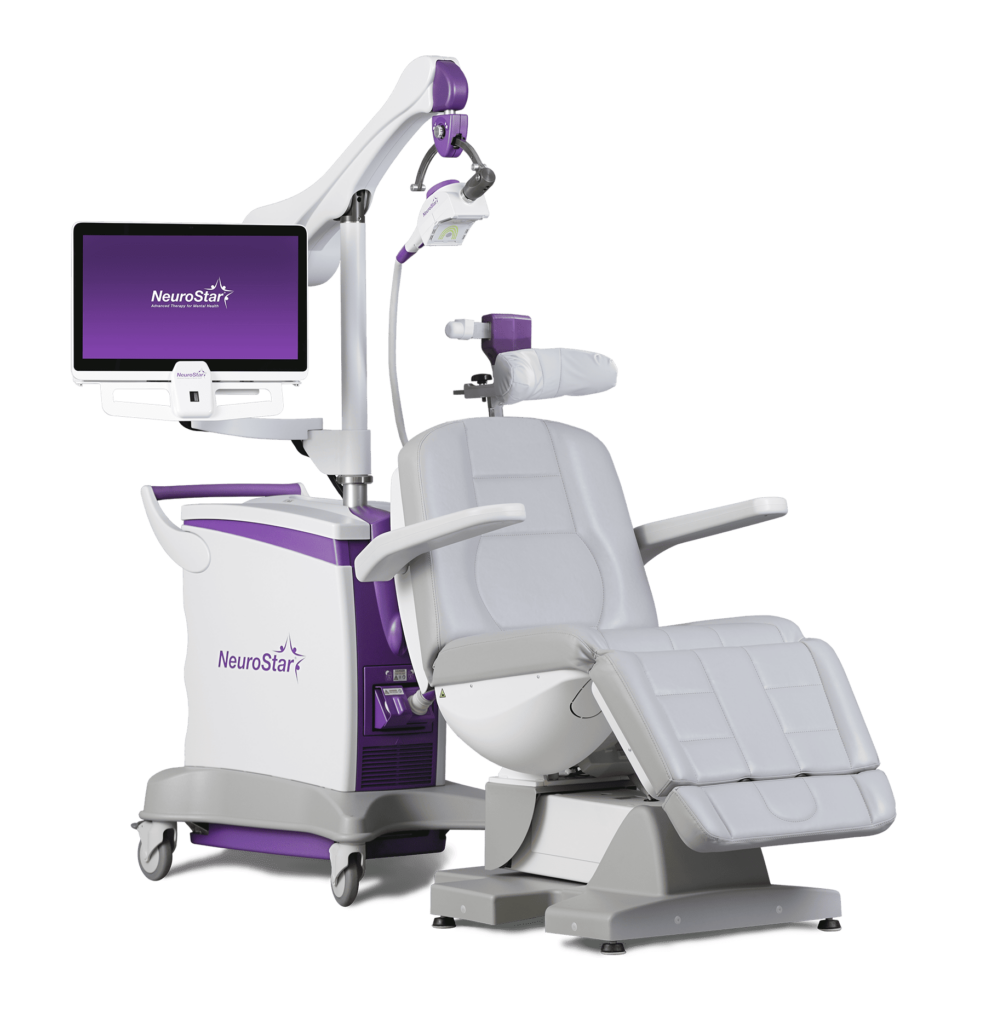
What does it actually feel like to go through each treatment? The experiences are almost opposites, which is a big factor in patient choice.
TMS Session Experience
A TMS session is often described as straightforward. You sit awake in a chair. A technician places a magnetic coil on your scalp. You might feel a tapping sensation and hear a clicking sound.
Common side effects are mild and temporary, like scalp discomfort or a mild headache. Many patients choose treatment because the benefits of TMS therapy may include staying alert during sessions and returning to normal activities immediately afterward.
There is no sedation or altered thinking. You can drive yourself home and go back to your normal day right after the session. It does not mix with other medicines you take.
Spravato Session Experience
A Spravato session is a monitored medical procedure. After taking the nasal spray in the clinic, you stay there for at least two hours. During this time, you may experience dissociative effects. These can include:
- Feeling detached or “floaty.”
- Perceptual distortions.
- Dizziness.
- Nausea.
- A temporary increase in blood pressure.
Because of these effects, you cannot drive yourself home and must arrange a ride. Clinic staff monitor your vital signs and mental state the whole time.
The side effect profiles are different. TMS side effects are mostly physical and localized. Spravato side effects are systemic and psychoactive. This difference is important for people with certain medical histories or personal sensitivities.
Speed, Durability, and the Need for Ongoing Care
How fast can you expect relief, and how long might it last? Patient stories often show a trade-off here.
Speed of Relief
- Spravato is known for its potential speed. Some patients feel a lift in their depression symptoms within hours of the first treatment. This fast action makes it a strong option for people in an acute crisis, like those with severe suicidal thoughts, where immediate relief is critical.
As highlighted by Nigam, K., King IV, F., & Espi Forcen, F.
“Evidence indicates that ketamine is highly effective, has a lower side effect profile and is better tolerated compared to many augmentation strategies for refractory depression. This, combined with data on psychiatric treatment outcome mediators, suggests that earlier intervention with ketamine could improve outcomes for patients suffering from refractory depression.” – The British Journal of Psychiatry
- TMS works more gradually. Improvement usually builds over weeks. Patients often start to notice changes after two to four weeks of consistent treatment. The full effect usually comes after the complete initial course.
Long-Term Durability
The long-term picture is complex. Both treatments often need maintenance to keep the benefits.
- For TMS, this might involve booster sessions, weekly or monthly for a while after the main treatment.
- For Spravato, after the initial twice-weekly start, the frequency is reduced to once weekly, and then potentially to less frequent doses.
Some observations suggest the response to TMS may last longer for some patients, but everyone is different. A common frustration online is “TMS maintenance fade-back,” where benefits lessen over time without ongoing sessions.
Safety and Suitability: Clinical Contraindications
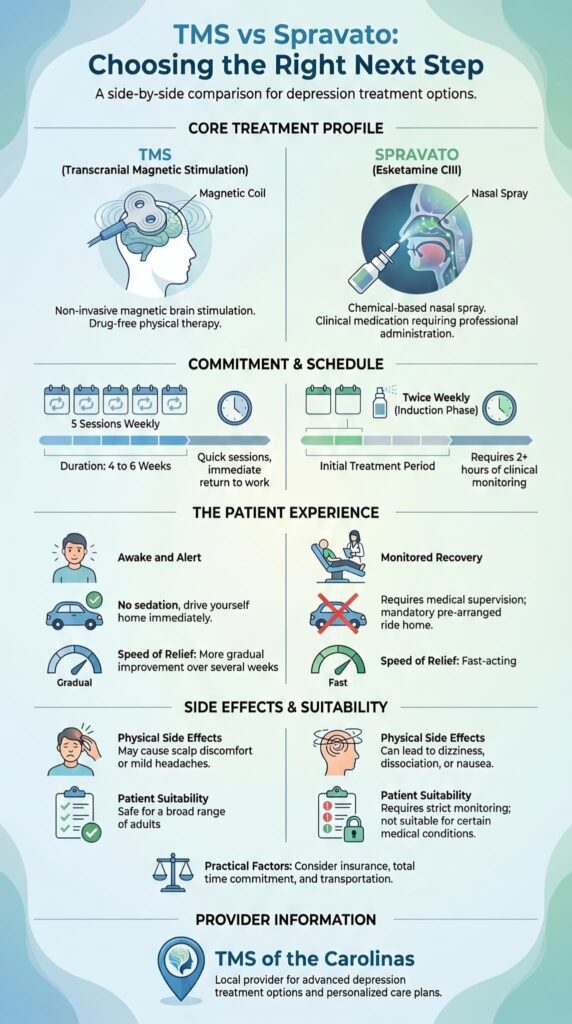
Not everyone can get both treatments. Rules about who is eligible create important boundaries.
TMS therapy has a broad safety profile. It is suitable for most adults with major depression, including older adults. The main reasons you cannot get it are physical risks:
- Having metal implants in your head (like some aneurysm clips or cochlear implants).
- A history of seizures or epilepsy.
Because it is not a drug and does not affect your whole body, it does not mix with other medicines and is usually okay for most heart conditions.
Spravato has stricter rules because it is a medicine with strong side effects. It is FDA-cleared for treatment-resistant depression in adults, used with another antidepressant. Key reasons you might not be eligible include:
- Uncontrolled high blood pressure or significant heart disease.
- A history of psychosis or severe dissociation.
- Active substance use disorders.
The required two-hour monitoring and needing a ride home also make it less accessible for people without flexible schedules or reliable support.
Therefore, TMS is often seen as a safer first choice for more people. Spravato is used for specific cases where its fast action is needed and the patient can safely handle its effects.
The Practical Realities: Insurance, Time, and Logistics
Beyond medical factors, the logistics of treatment can be a deciding factor. Both are advanced therapies that require planning.
Insurance usually covers both treatments, but you need prior authorization. For many patients, concerns about TMS therapy cost and insurance approval timelines can influence when treatment actually begins.
This means your insurer will require proof that you have treatment-resistant depression, meaning you didn’t get enough relief from at least two antidepressant medicines. This approval process can be a hurdle, which many patients find frustrating.
The time commitment is different for each.
- TMS requires a higher number of visits, daily or near-daily for weeks. But each visit is shorter (30-60 minutes) and you can go back to your normal day right after.
- Spravato requires fewer visits per week, but each visit is much longer because of the monitoring period, often over two hours total. You also need a ride home and should take the rest of the day off from driving and demanding tasks.
For working professionals or parents, these logistics matter. Can you leave work for a short time every day for six weeks? Or can you arrange twice-weekly visits where you need a ride and a quiet afternoon? These real-world questions shape the choice.
The Right Treatment Starts with the Right Conversation
Choosing between TMS and Spravato is deeply personal. One may offer a non drug path that fits your daily routine, while the other may provide faster relief during an acute crisis. The best choice depends on your history, symptoms, lifestyle, and the support you need most.
There is no single answer for everyone. Some patients even combine both approaches, using Spravato for stabilization and TMS for long term progress.
Find clarity with guidance that is built around you. Schedule a consultation with TMS of Carolina and explore the treatment path that fits your recovery goals.
FAQ
How do TMS Therapy and esketamine therapy work differently?
TMS Therapy uses magnetic pulses delivered through a magnetic coil to stimulate specific brain regions, especially the dorsolateral prefrontal cortex. Esketamine therapy uses a nasal spray that targets NMDA receptors and the glutamate neurotransmitter system.
Both treatments aim to improve depressive symptoms and neural activity, but they affect brain chemistry, neural circuits, and brain networks through different treatment approaches.
Which treatment causes fewer side effects for depression patients?
Side effects vary depending on the patient’s medical history and treatment plan. Transcranial Magnetic Stimulation commonly causes scalp discomfort or mild headaches during treatment sessions.
Esketamine nasal spray may cause dissociative effects, increased blood pressure, dizziness, or nausea under medical supervision.
Healthcare professionals usually review mental health disorders, medication management history, and treatment resistant evaluation results before recommending either treatment option.
Can people with metal implants receive brain stimulation treatments?
Some people with metal implants may not qualify for Transcranial Magnetic Stimulation because magnetic fields and electromagnetic pulses can interfere with implanted medical devices.
A healthcare professional usually reviews medical history, brain injury risks, and clinical monitoring requirements before treatment begins.
Esketamine therapy may still be considered in certain cases if patients meet safety guidelines and receive treatment within a clinical setting.
How long does symptom relief usually last after treatment?
Symptom relief depends on the severity of treatment-resistant depression, the treatment schedule, and individual brain chemistry.
Some patients experience long-term improvements after repeated treatment visits, while others need maintenance sessions or additional cognitive behavioral therapy.
Brain stimulation and NMDA receptor antagonist treatments may improve neural plasticity, neural connectivity, and neural connections over time, which may support stronger clinical outcomes.
What should patients consider before choosing advanced depression treatment options?
Patients should discuss insurance coverage, side effects, treatment sessions, and long-term effects with board-certified psychiatrists before starting advanced depression treatment options.
Important factors include suicidal ideation history, blood pressure concerns, mental health conditions, and daily lifestyle needs.
Some psychiatric clinics also evaluate symptom scales, medication management history, and previous treatment responses when creating a personalized treatment plan.
References
- https://www.nature.com/articles/s41386-025-02194-0
- https://doi.org/10.1192/bjp.2024.203