
Is TMS Therapy Safe For Teens? Adolescent Treatment Guide
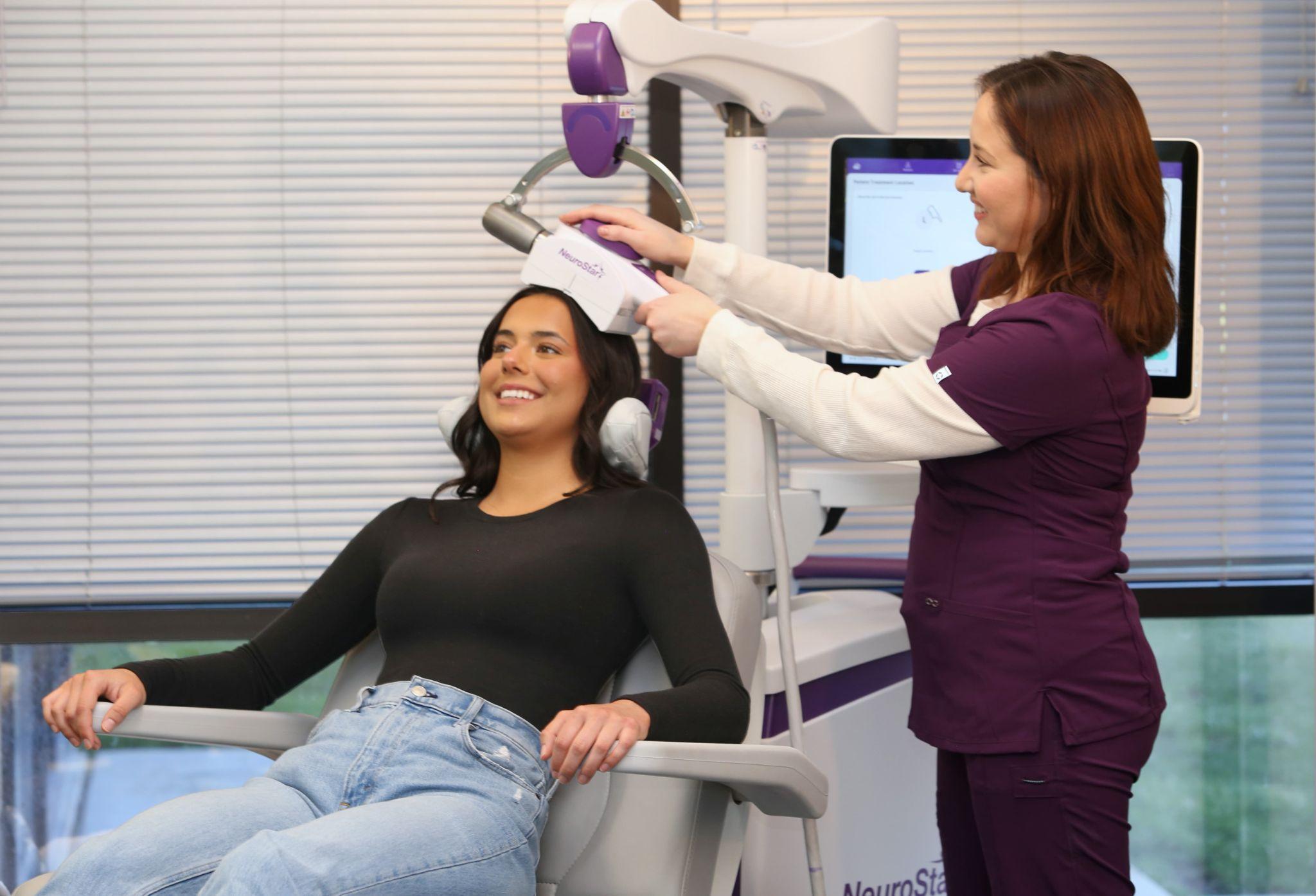
Yes, FDA cleared transcranial magnetic stimulation, or TMS, can be a safe treatment option for some teenagers when they are carefully evaluated and treated by qualified mental health professionals.
It is not appropriate for every adolescent, but current clinical experience supports its use in selected patients with major depressive disorder that has not improved with standard treatment. Safety depends on several factors, including the patient's diagnosis, medical history, and overall health.
A thorough psychiatric assessment is an essential first step before treatment begins. Keep reading to learn how TMS safety is evaluated for teenagers and what families should expect.
Key Takeaways
- FDA-cleared TMS appears safe for many adolescents
- Most side effects are mild and temporary
- TMS is not appropriate for every teenager
Is TMS Therapy Safe For Teens?
The decision does not depend on age alone. Safety begins with understanding why the teenager is struggling, how severe the depression has become, what treatments have already been tried, and whether any medical condition could increase the risk of complications.
That evaluation is an important part of care.
TMS Therapy for depression is usually considered for adolescents with major depressive disorder that has not improved after standard treatment. It is not commonly used as the first treatment after a diagnosis of depression.
The treatment itself is generally well tolerated. The side effects seen most often are mild scalp discomfort or a headache during the first few sessions. These symptoms usually become less noticeable as treatment continues, and most patients complete the full course without stopping because of side effects.
The most serious potential complication is a seizure. Although that risk cannot be reduced to zero, it remains uncommon when patients are screened carefully and treatment follows established safety protocols.
How Does TMS Work?

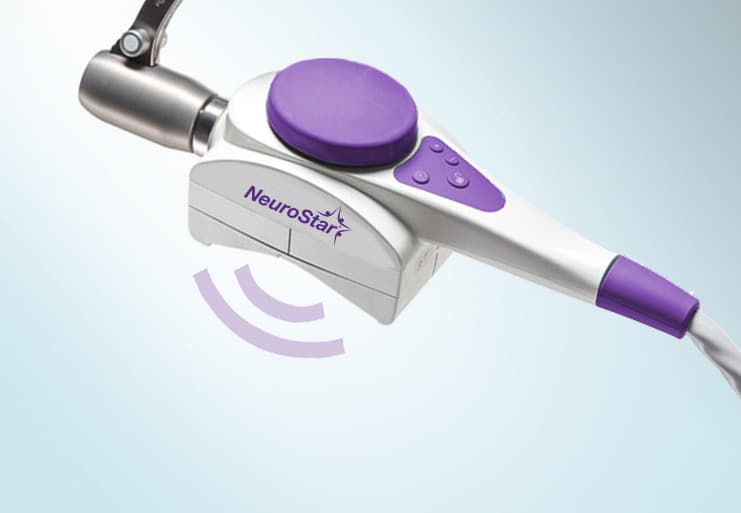
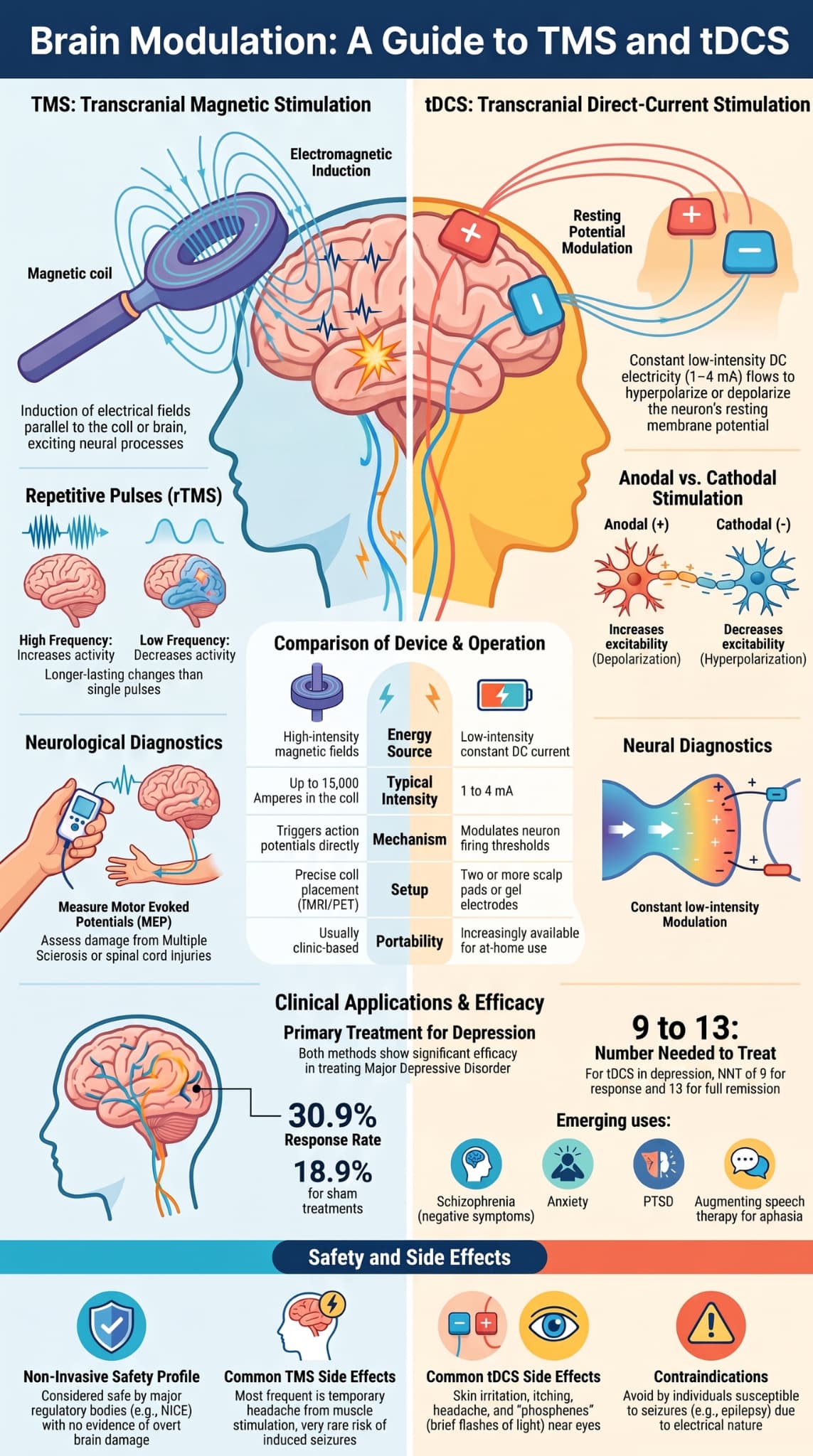
FDA-cleared TMS uses magnetic pulses to stimulate areas of the brain involved in mood regulation.
One of the main treatment targets is the left dorsolateral prefrontal cortex. This area helps with attention, planning, decision making, and emotional control. Brain imaging studies have shown that activity in this region is often lower in people with depression.
Treatment is performed while the patient is awake.
A treatment coil is placed against the scalp, and magnetic pulses pass through the skull without surgery or anesthesia. Each session lasts only a short time, and most teenagers can return to school or their usual daily routine afterward.
The treatment does not force the brain to change after a single visit. Brain activity responds gradually over a series of sessions, which is why improvement is usually measured across several weeks rather than several days.
Who May Be A Good Candidate?
TMS is not appropriate for every teenager with depression.
A psychiatrist first confirms the diagnosis and reviews previous treatment, current medication, neurological history, seizure risk, and overall medical health. Family support is also considered because regular attendance is an important part of treatment.
A teenager may be considered for TMS Therapy for Adolescents (15+) when there is:
- Major depressive disorder
- Depression that has not improved after standard treatment
- Ongoing difficulty at school, home, or in social settings
- No medical condition that makes treatment unsafe
Each patient is evaluated individually. Two teenagers with the same diagnosis may not receive the same recommendation because their medical history and treatment needs may be different.
"rTMS appears to be safe and well tolerated as a treatment for adolescents with major depressive disorder, with high treatment engagement and acceptability reported by both adolescents and their parents." – Journal of Affective Disorders
What Are The Common Side Effects?

Most side effects are mild and short lived.
The most common reactions include scalp discomfort where the treatment coil rests against the head, a mild headache after treatment, brief facial muscle movement during stimulation, or light dizziness. These symptoms often improve after the first several sessions.
| Side Effect | Typical Course |
| Scalp discomfort | Usually improves during treatment |
| Mild headache | Often temporary |
| Facial muscle movement | Present only during stimulation |
| Light dizziness | Usually brief |
Patients also receive screening before treatment begins to identify conditions that could increase risk. FDA-cleared TMS is not appropriate for individuals with certain implanted medical devices or non removable metal near the head because magnetic fields may interfere with those devices.
Careful patient selection is one of the reasons the treatment has a favorable safety profile.
Does TMS Affect Brain Development Or Memory?
This is one of the questions parents ask most often.
Based on current evidence, FDA-cleared TMS has not been shown to interfere with normal brain development when used in appropriately selected adolescents under psychiatric supervision.
Researchers continue to study long term outcomes because the brain continues to develop through the teenage years and into early adulthood. Even so, the findings available today have been reassuring.
"The available evidence indicates that the side effects of noninvasive brain stimulation in children and adolescents were generally mild and transient, supporting its safety when established safety guidelines are followed." – Brain Stimulation
Memory is another common concern.
Unlike electroconvulsive therapy, also called ECT, TMS has not been linked to clinically significant memory loss in most studies. Patients are not expected to forget conversations, schoolwork, or personal events because of treatment.
Some adolescents report that concentrating becomes easier as their depression improves. Improved attention can also make academic tasks feel more manageable. These cognitive changes are related to improvement in depressive symptoms rather than a direct effect on memory function.
How Does TMS Compare With Other Treatments?
TMS is one option within a larger treatment plan. It is not meant to replace every other form of care.
Many teenagers begin treatment with psychotherapy, antidepressant medication, or both. For families wondering Can TMS be Done on Teens?, a psychiatrist may recommend FDA-cleared TMS after a careful evaluation when depression continues despite appropriate treatment.
Each treatment has a different role.
| Treatment | Primary Role | Common Use |
| FDA-cleared TMS | Treat depression through brain stimulation | When standard treatment has not helped enough |
| Antidepressant medication | Reduce depression symptoms | Often an early treatment option |
| Psychotherapy | Build coping skills and address emotional concerns | Used alone or with medication |
In many cases, these treatments are combined. A teenager receiving TMS may also continue therapy or medication if the psychiatrist believes that approach is appropriate.
Why Family Support Matters
Treatment does not end when a session is over.
Parents and caregivers play an important role throughout the process. They help teenagers attend appointments, notice changes in mood or daily functioning, and communicate concerns to the treatment team.
Improved sleep, better school attendance, increased interest in hobbies, or more engagement with family can all help the psychiatrist understand how treatment is progressing. Recovery is not measured by mood alone.
Support at home also makes it easier for teenagers to complete the full course of treatment, especially during weeks when improvement is still gradual.
Is TMS the Right Next Step?
FDA-cleared TMS may be a safe option for some teenagers with major depressive disorder when standard treatment hasn't helped enough.
The process begins with a thorough psychiatric evaluation to review medical history, current symptoms, and past treatment before determining TMS appropriateness. Every teenager is different, and careful clinical supervision remains important throughout treatment.
At TMS of the Carolinas, we provide comprehensive evaluations to help families understand their treatment options. A professional evaluation gives you the chance to discuss concerns, review treatment history, and decide whether TMS therapy is the right next step for your teenager. Ready to learn more? Contact TMS of the Carolinas to schedule a consultation.
FAQs
Is TMS therapy FDA-cleared for treating teenagers?
The FDA has cleared TMS therapy for certain adolescents with major depressive disorder. A psychiatrist determines whether a teen is eligible based on age, diagnosis, symptom severity, treatment history, and an individual psychiatric evaluation. Not every teenager with depression is an appropriate candidate for TMS therapy.
What side effects can teens experience during TMS therapy?
Most adolescents tolerate TMS therapy well under clinical supervision. The most commonly reported side effects are mild scalp discomfort and headaches, which are usually temporary. Before treatment begins, clinicians perform seizure screening, review medical history, and continue safety monitoring throughout the treatment course.
Does TMS therapy affect brain development in teenagers?
Current clinical evidence has not shown that TMS therapy negatively affects normal brain development when used according to established treatment protocols. Treatment targets specific brain regions with magnetic stimulation while clinicians monitor neurological safety, treatment tolerability, and any potential adverse events.
Can TMS therapy help teens who do not respond to medication?
TMS therapy may be considered for adolescents with treatment-resistant depression when antidepressant medications have not provided sufficient symptom relief. A psychiatrist evaluates the teenager's diagnosis, previous treatments, and overall health to determine whether TMS therapy is an appropriate treatment option.
How is a teenager evaluated before starting TMS therapy?
Before treatment begins, a psychiatrist conducts a comprehensive psychiatric evaluation, reviews the teenager's medical history, assesses depression symptoms, and completes a risk assessment. This evaluation helps determine whether TMS therapy is appropriate and establishes a treatment plan with ongoing clinical supervision and safety monitoring.
References
- https://www.sciencedirect.com/science/article/abs/pii/S0165032722003950
- https://www.sciencedirect.com/science/article/pii/S1935861X14003416