
Transcranial magnetic stimulation (TMS) is a non-invasive treatment that has transformed mental health care.
By using targeted magnetic pulses to stimulate brain regions involved in mood regulation, TMS offers relief for individuals struggling with depression and other conditions.
While it is widely recognized for its safety and effectiveness, like any medical treatment, it is not without side effects. Before starting NeuroStar TMS therapy, it is important to know: What is the most common side effect of TMS?
What Is TMS Therapy?
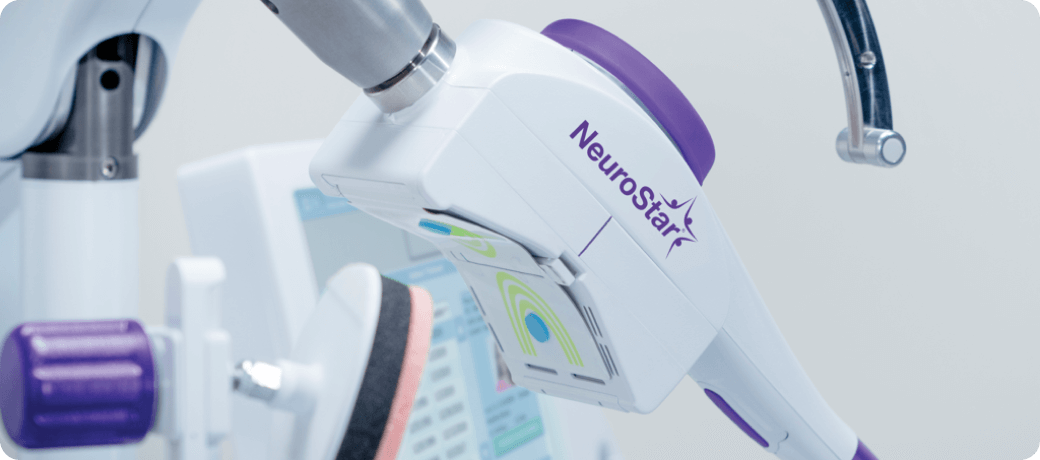
TMS therapy involves the use of a specialized device that delivers magnetic pulses to specific areas of the brain. These pulses activate underactive neurons in the prefrontal cortex, a region closely linked to mood and emotional regulation. A typical TMS treatment is performed in an outpatient setting, requiring no anesthesia or sedation, and sessions typically lasting 20-40 minutes.
This innovative approach is FDA-approved and has been used for over a decade to treat Major Depressive Disorder (MDD), especially in patients who do not respond to traditional treatments, such as medication or psychotherapy.
The Most Common Side Effect
The most frequently reported side effect of TMS therapy is mild scalp discomfort or a tingling sensation at the treatment site, caused by the magnetic pulses interacting with the skin and muscle tissue in the treated area.
For many patients, this discomfort is temporary and usually fades after the first few sessions as the scalp adjusts to the stimulation. The sensation is often described as feeling like tapping or light prickling. Some individuals may experience mild redness at the site, but this typically resolves quickly without intervention.
Why Does This Side Effect Occur?
The magnetic pulses used in TMS therapy are powerful enough to penetrate the scalp and stimulate neural activity, yet they are non-invasive and do not cause tissue damage. The mild discomfort arises from the physical interaction of these pulses with the scalp muscles and nerves. However, it is important to note that this effect is generally manageable, and most patients find it to be an acceptable trade-off for the potential mental health benefits
How to Minimize Discomfort During TMS Therapy
Patients can take steps to reduce scalp discomfort during their TMS treatment.
Communicate With Your Provider
Letting your provider know about sensations during the session allows them to adjust the intensity or positioning of the device for improved comfort.
Use Over-the-Counter Pain Relief
Before your session, you can take a mild pain reliever to alleviate discomfort.
Focus on Relaxation
Staying relaxed and practicing mindfulness techniques during the session can help make the process more comfortable. For more pain-relieving strategies to minimize discomfort from the most common side effect of TMS, consult with your care specialist.
Meet With Us To Learn How To Manage the Most Common Side Effects of TMS
TMS therapy continues to offer hope to individuals seeking effective mental health treatments, with its proven safety and ability to help those who have struggled with other methods. To better understand the most common side effect of TMS and how it can be managed, seek the services of TMS of the Carolinas today.