
TMS therapy and antidepressant medication both treat major depression but work differently. Antidepressants change brain chemicals throughout the body.
TMS is a non-invasive procedure that uses magnetic pulses to stimulate specific mood-related brain areas. This leads to different treatment schedules and side effects. Medication is often tried first.
TMS offers a proven option for those who don’t respond well to drugs. This comparison clarifies their distinct roles in a treatment plan.
Key Takeaways
- Medication is usually the starting point: Antidepressants are widely available and commonly prescribed first, while TMS is often considered when medications do not provide enough relief.
- Side effects differ significantly: Medications can affect the whole body, including weight and sexual health, while TMS side effects are typically limited to temporary scalp discomfort.
- TMS requires more upfront time: Daily treatment sessions over several weeks demand commitment, but they avoid daily medication use and long-term drug interactions.
What Is TMS Therapy for Depression?
Transcranial Magnetic Stimulation (TMS) is a non-invasive procedure approved by the FDA to treat major depression.
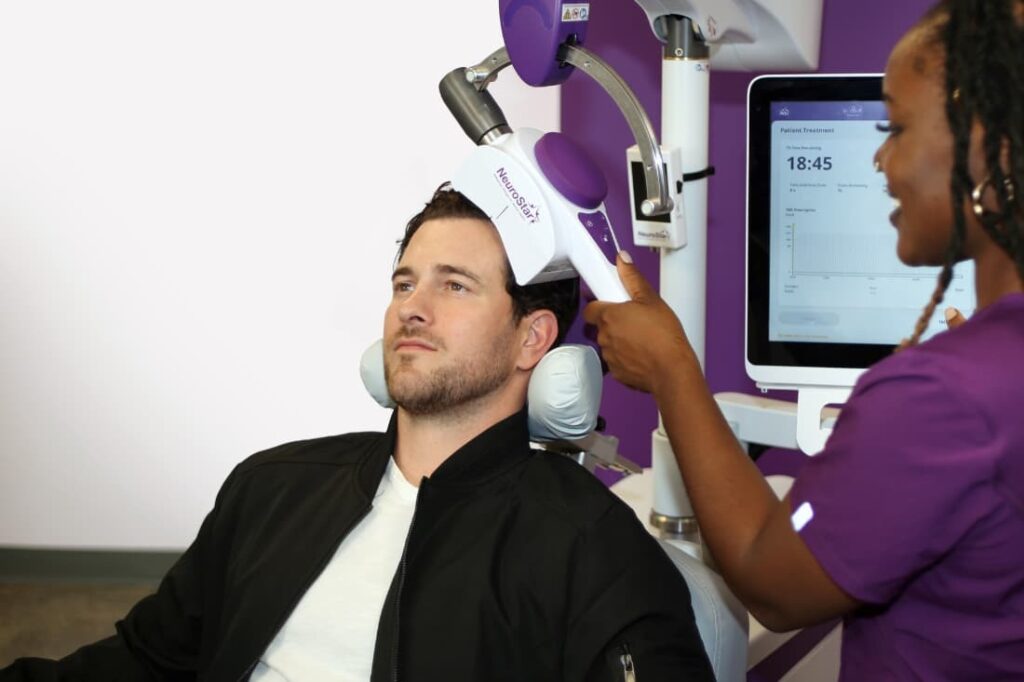
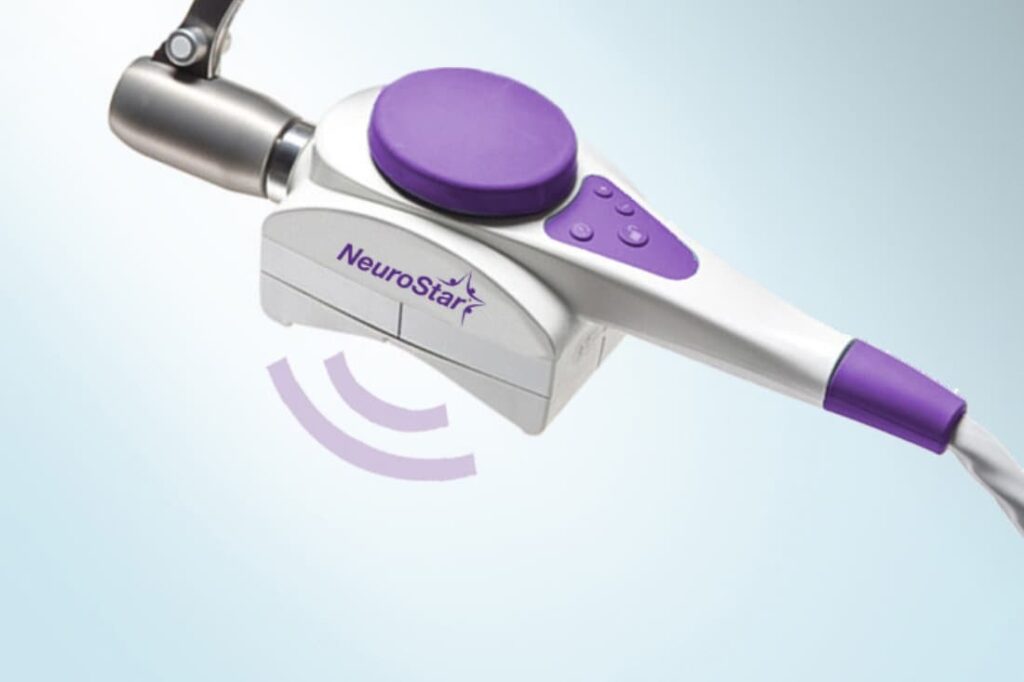
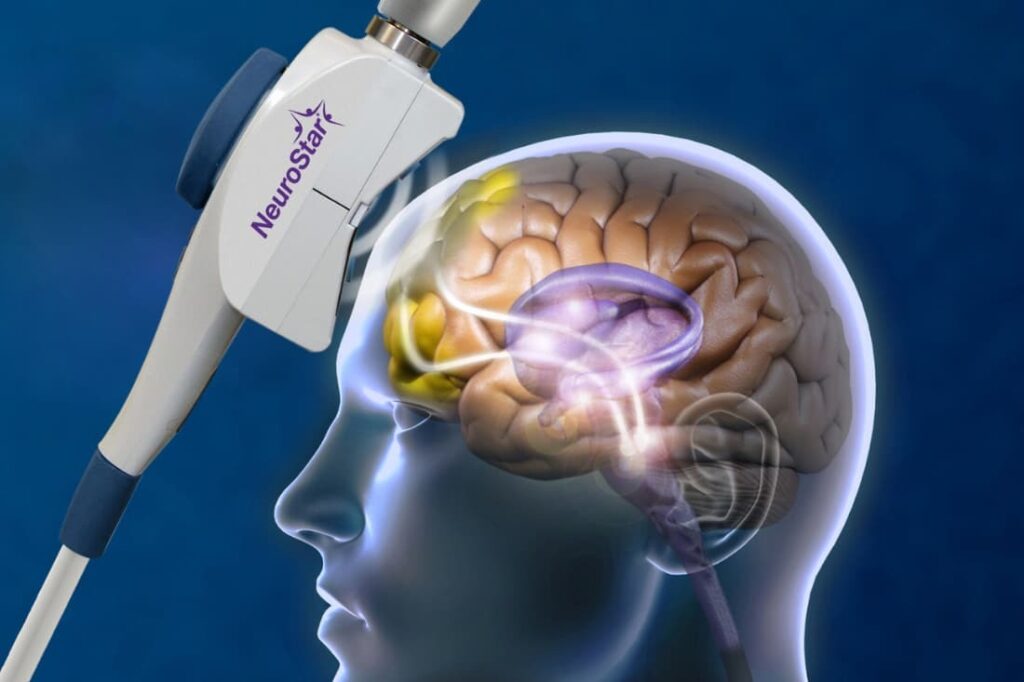
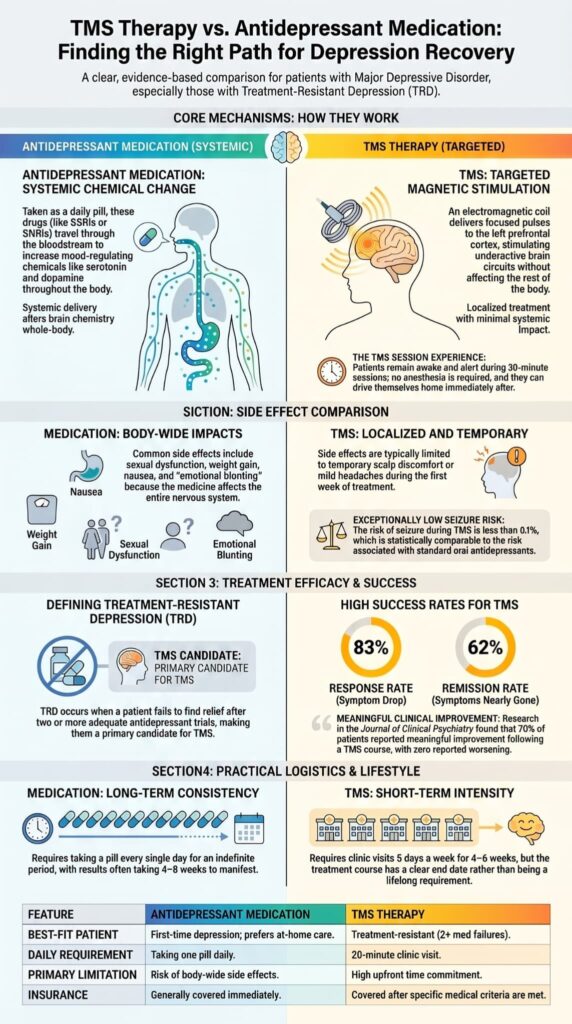
During a session, an electromagnetic coil is placed on the patient’s scalp. This coil sends repeated magnetic pulses through the skull. These pulses create a small, focused electrical current in a specific part of the brain.
For depression, the target is usually the left prefrontal cortex, an area often less active in people with depression.
A standard course involves sessions five days a week for four to six weeks. Each session lasts about 20 minutes. The patient is awake and alert, with no anesthesia needed. Patients can go back to their normal day right after.
The goal is to change the activity and connections in the brain circuits that control mood. Unlike medications that spread through the whole body, TMS therapy for depression uses focused magnetic fields directed only at the targeted brain area.
How Do Antidepressant Medications Work?

Antidepressant medications work by changing the levels and activity of brain chemicals like serotonin, norepinephrine, and dopamine.
The most common types are SSRIs and SNRIs. These drugs block the reabsorption of these chemicals back into nerve cells. This leaves more of them available in the space between cells, where signals are passed.
This increased chemical activity is thought to improve communication in the brain circuits that control mood, sleep, appetite, and thinking. Treatment involves taking a pill daily. It often takes four to eight weeks to feel the full effect.
Managing medication requires working with your doctor to find the right dose and handle any side effects. Because these drugs travel through your whole bloodstream, they can affect many body systems beyond the brain. This explains their range of possible side effects.
Which Is More Effective for Depression: TMS or Medication?
Whether TMS or medication works better depends on the patient’s own history. For those new to treatment or with milder depression, antidepressant medication is a proven and effective first step.
However, for people with treatment-resistant depression, meaning they haven’t gotten better after trying at least two different antidepressants, how effective is TMS for depression can be becomes much clearer in long-term clinical studies.
A key goal is a “response” (a big drop in symptoms) or “remission” (symptoms are nearly gone). Research shows TMS can achieve response in about 83% and remission in about 62% of people with treatment-resistant depression.
A comprehensive multi-site naturalistic study published in the Journal of Clinical Psychiatry analyzed real-world clinical outcomes for patients undergoing left prefrontal cortex stimulation:
“Following the TMS course, approximately 70% of both groups reported meaningful improvement, whereas less than 1% reported meaningful worsening. There were marked dose-response effects, with longer courses of TMS associated with greater improvement.” –Journal of Clinical Psychiatry
The table below shows where each treatment typically fits best:
| Treatment Type | Best-Fit Patient Profile | Typical Outcomes | Primary Limitations |
| Antidepressant Medication | First-time depression, patients who prefer a simple, at-home approach. | Works for most patients; requires taking a daily pill. | Body-wide side effects; risk that it won’t work or will cause problems. |
| TMS Therapy | Patients with treatment-resistant depression (≥2 medication failures). | High success rates for this group; very few body-wide side effects. | Big time commitment upfront (daily visits for weeks); requires trips to the clinic. |
Why Do Some Patients Choose TMS Over Medication?
The choice to try TMS therapy often comes after antidepressant medicines don’t work well enough. Patients and their doctors might think about TMS for a few reasons.
- Side Effects Are Too Bad: Common drug side effects like sexual problems, big weight gain, feeling numb, or always being tired can be so bad that a patient has to stop, even if the drug was helping.
- Not Enough Improvement: After trying different antidepressants or doses, some patients only get a little better or don’t get better at all. This is called treatment-resistant depression.
- Wanting a Non-Drug Treatment: Some people want to avoid the whole-body effects of daily pills. Others can’t take certain drugs. They may look for a focused, machine-based treatment like TMS.
- Wanting to Add to Current Treatment: Patients who are getting some help from a pill but have stopped getting better may use TMS as an add-on. The goal is to reach full recovery without stopping their current medicine.
What Side Effects Are Common With Antidepressants?
Antidepressant medications help many people, but they can also cause side effects. These can make it hard to stick with treatment and affect daily life. The effects differ by drug type and from person to person.
- Sexual Dysfunction: This includes low sex drive, trouble with arousal, and difficulty reaching orgasm. It’s one of the most common reasons people stop their medication.
- Gastrointestinal Distress: Nausea, diarrhea, or constipation are frequent, especially in the first few weeks of treatment.
- Weight Fluctuation: Some antidepressants are linked to weight gain. This can affect physical health and how a person feels about themselves.
- Sedation or Activation: Some drugs cause sleepiness and tiredness. Others can lead to restlessness or trouble sleeping.
- Emotional Blunting: Some patients report feeling less intense emotions overall, both good and bad.
- Discontinuation Syndrome: Stopping some antidepressants suddenly can cause flu-like symptoms, dizziness, and strange sensations. This is why doses need to be lowered slowly under a doctor’s care.
What Side Effects and Risks Come With TMS Therapy?
The side effects of TMS therapy are very different from pills. They are usually mild, don’t last long, and happen only where you get treated. The most common problem is discomfort or pain on the scalp under the coil. This normally gets better after the first week.
Headaches are also common after the first few sessions. They usually go away with regular pain medicine from the store.
The risk of inducing a seizure during clinical magnetic stimulation is exceptionally low, remaining below 0.1% across multi-center safety profiles, a statistical probability comparable to that of standard oral tricyclic or atypical antidepressants.
Prior to initiating any stimulation protocol, clinical staff must execute a comprehensive neuro-diagnostic clearing protocol to identify hidden structural contraindications.
Why Does TMS Require a Bigger Time Commitment?
The TMS treatment schedule is more intense in the short term than taking a daily pill. The standard plan involves sessions five days a week for about four to six weeks. This schedule comes from studies showing that repeated, frequent stimulation is needed to create lasting changes in the targeted brain circuits.
This commitment means patients must travel to a clinic for each 20-minute session. This is a practical factor to consider, especially for those with job or transportation issues.
However, this intense phase has a clear end date. Unlike medication, which you must take every day for an indefinite time, the main TMS treatment course is finished after several weeks.
Many patients feel that investing this temporary time is worth it to get better without the long-term side effects that can come with medications.
When Is TMS Usually Recommended After Medication?
The usual way to treat major depression starts with antidepressant medicine. TMS therapy is usually thought about when medicine doesn’t help enough. The most common reason to get TMS is a diagnosis of treatment-resistant depression.
In psychiatric practice, we define Treatment-Resistant Depression (TRD) when a patient fails to achieve clinical remission despite completing multiple adequate trials. According to established consensus guidelines outlined in The World Journal of Biological Psychiatry:
“Treatment resistant depression (TRD) is a term often used when a patient has failed to respond to 2 different antidepressants, with adequate adherence for a duration of 4–8 weeks. Further trials of antidepressant medication result in diminishing response rates and prolonging illness duration.” –The World Journal of Biological Psychiatry
Other reasons to think about TMS are:
- Very bad side effects from medicine that make treatment impossible.
- A patient’s strong wish for a treatment that isn’t a drug.
A full check with a psychiatrist is needed first. This confirms the diagnosis and makes sure TMS is safe for the patient.
Can TMS and Medication Be Used Together?
TMS therapy does not mean you have to stop antidepressant treatment. In practice, many patients keep taking their medication while going through a TMS course. This combined approach is called adjunctive therapy. Here, TMS is added to the current plan to make it more effective.
Studies have looked at how well TMS works both alone and as an add-on. For patients who are only partly helped by medication, TMS success rate for depression shows that adding stimulation therapy may help push patients toward full recovery.
The entire plan is managed by a psychiatrist. They may adjust medication doses based on the patient’s progress during TMS.
The choice to combine treatments is personalized, based on the patient’s history, how severe their symptoms are, and their goals for treatment.
What Questions Do Patients Ask Before Starting TMS?
Patients thinking about TMS therapy often have questions about the practical and medical parts of treatment. Answering these is a normal part of the consultation.
- Insurance and Cost: “Is TMS covered by my insurance?” Most major insurers, including Medicare, cover TMS for treatment-resistant depression if certain medical criteria are met.
- Treatment Experience: “What does a TMS session feel like?” Patients feel a tapping or clicking on the scalp. There can be mild discomfort, but it usually fades quickly.
- Durability of Response: “How long do the benefits last?” Studies show many patients stay better for several months to a year or more. Some may get occasional follow-up sessions to keep the benefit.
- Comparison to Other Treatments: “How is this different from ECT?” Unlike electroconvulsive therapy, TMS doesn’t need general anesthesia, doesn’t cause a seizure, and has very little effect on memory or thinking.
- Logistics: “Can I drive after a session?” Yes. Patients can drive themselves and go right back to their normal activities.
Finding the Right Path Forward with TMS Therapy
Depression treatment is not one-size-fits-all. While medication remains an important first step for many people, TMS offers a proven, drug-free option for those who have not found enough relief or struggle with side effects. The right treatment plan should reflect your personal history, symptoms, and goals for recovery.
If past treatments have not worked the way you hoped, TMS therapy may offer a new path forward. Learn more or schedule a confidential consultation with TMS of the Carolinas.
FAQ
How do the delivery mechanics of TMS differ from standard pharmacotherapy?
TMS functions as a focal, non-systemic neuro-modulator that isolates its therapeutic charge within localized cortical networks like the $DLPFC$.
Conversely, oral antidepressant medications rely on gastrointestinal absorption and blood-brain barrier penetration to systemically alter monoamine neurotransmitter concentrations throughout the entire central nervous system and peripheral tissues.
Who may benefit most from TMS therapy?
People with treatment-resistant depression or medication-resistant major depression may benefit from repetitive transcranial magnetic stimulation. Doctors often recommend TMS therapy when antidepressant medications and cognitive behavioral therapy do not provide enough symptom improvement.
Some outpatient clinics also use brain stimulation treatments for anxiety disorders, obsessive-compulsive disorder, smoking cessation, and post-traumatic stress disorder management.
What happens during a typical TMS treatment session?
During treatment sessions, a magnetic coil or electromagnetic coil is placed near the scalp to deliver magnetic pulses to a targeted brain region. Providers measure the motor threshold using the patient’s motor cortex response before treatment begins.
Some clinics use Deep TMS, Theta-burst stimulation, or intermittent theta-burst stimulation protocols to improve clinical response and shorten treatment session times.
Is TMS therapy safer than electroconvulsive therapy?
TMS therapy does not require anesthesia and usually causes fewer cognitive impairment concerns than electroconvulsive therapy. Clinical trials and naturalistic outcomes studies show that many patients tolerate brain stimulation treatments well during clinical practice.
Common side effects include temporary scalp discomfort or mild headaches instead of the memory-related side effects sometimes linked to electroconvulsive therapy.
How do doctors measure TMS therapy success rates?
Doctors measure response rate and remission rate using self-report depression scales, HDRS score tracking, and the Hamilton Depression Rating Scale.
Some specialists also use MRI navigation, resting-state functional magnetic resonance imaging, and effective connectivity analysis to target neural circuits more accurately.
Clinical predictors and Levels of Evidence help providers evaluate long-term improvement in depression symptoms and cognitive functioning.
References
- https://pubmed.ncbi.nlm.nih.gov/41367968/
- https://pubmed.ncbi.nlm.nih.gov/38979838/