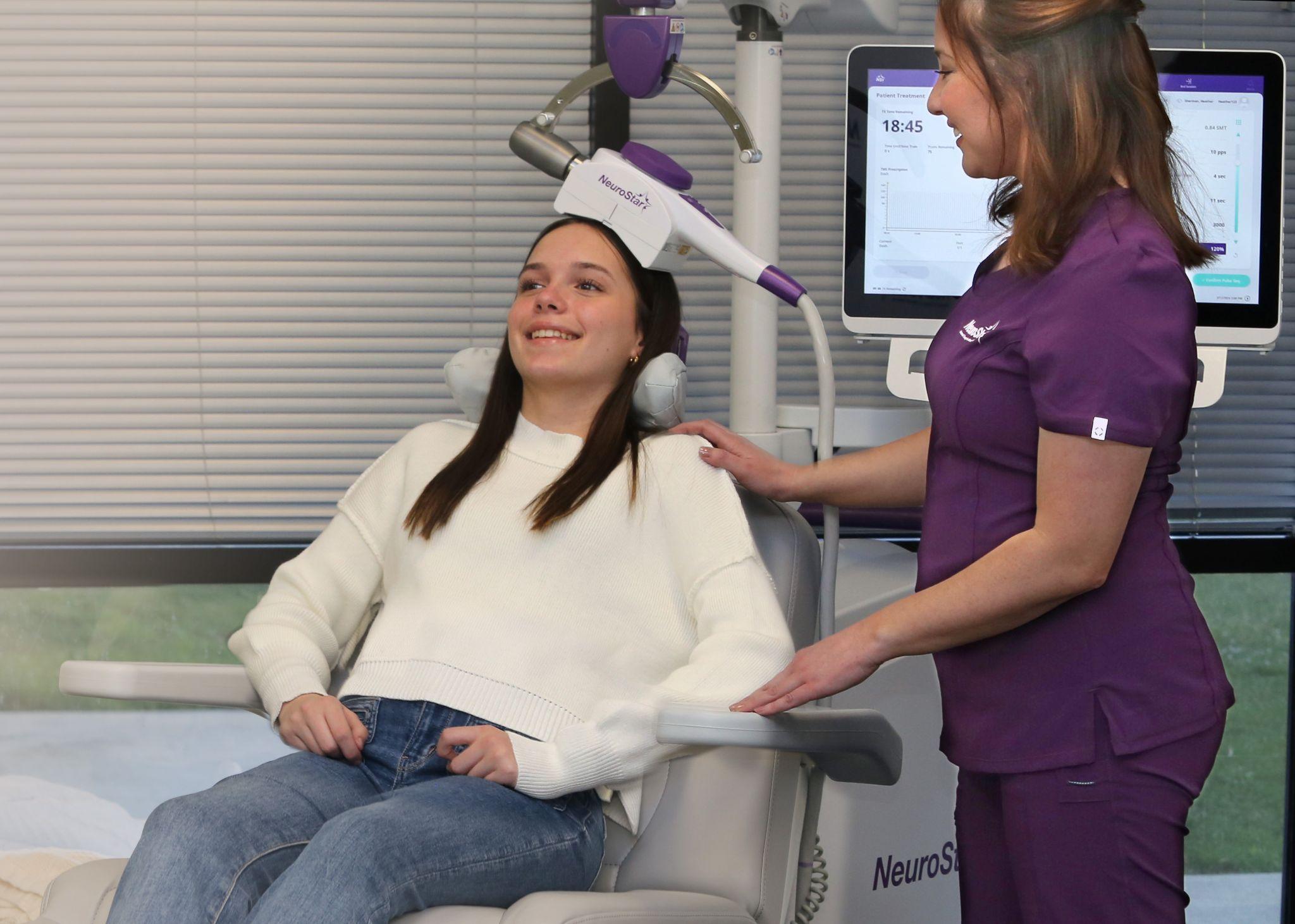
Patient TMS therapy reviews show mostly positive results for individuals with treatment-resistant depression, though individual experiences vary.
TMS is an FDA-cleared, noninvasive treatment that uses magnetic pulses to stimulate brain areas linked to mood without the systemic effects of medication. Research has reported strong response and remission rates in carefully selected patients, though it doesn’t work for everyone. Keep reading to see how patient experiences compare with the clinical evidence.
Key Takeaways
- Clinical evidence supports positive outcomes.
- Patient reviews and research complement each other.
- Appropriate patient selection matters most.
What Do TMS Therapy Reviews Reveal About Success Rates?
Most TMS therapy reviews are positive, especially among people with treatment-resistant depression. Even so, no treatment produces the same result for every patient. A person’s diagnosis, medical history, previous treatments, and overall health all affect the outcome.
Many patient reviews describe gradual improvement. Not an overnight change. Some people first notice that getting out of bed feels easier. Others say they can focus better at work, enjoy conversations again, or keep up with family responsibilities without feeling completely drained.
Published research reflects many of those experiences. Studies have found that FDA-cleared TMS can reduce symptoms of major depressive disorder in many eligible patients.
For individuals exploring TMS treatment for depression, these findings help explain why many patients report gradual improvements rather than immediate changes. But the amount of improvement, and how quickly it happens, varies from one person to another.
What Do Real Patient Outcomes Show About TMS Therapy?
Many patients report improvements in mood, energy, concentration, motivation, emotional regulation, and participation in daily activities. Some also notice better sleep or fewer anxiety symptoms. While some people experience small changes within two or three weeks, others improve closer to the end of treatment. Both patterns are commonly seen in clinical practice.
What Do Clinical Studies Reveal About TMS Patient Results?
Patient reviews tell personal stories. Clinical research measures outcomes in a very different way.
Researchers use standardized rating scales to track depression symptoms before, during, and after treatment. Two of the most common tools are the Patient Health Questionnaire-9 (PHQ-9) and the Hamilton Depression Rating Scale (HAM-D). These assessments help clinicians measure symptom changes using the same criteria for every patient.
| Patient Reviews | Clinical Research |
| Personal experiences | Standardized depression scales |
| Daily life changes | Measured symptom improvement |
| Individual opinions | Large patient groups |
| Personal satisfaction | Response and remission rates |
There is another important difference. Researchers separate response from remission.
A response usually means depression symptoms decrease by at least 50% from the start of treatment. Remission means symptoms improve enough that depression causes little or no meaningful disruption in daily life.
A 2020 study published in PubMed reported response rates of about 58% and remission rates of about 37% during routine clinical care. Separate registry studies evaluating the NeuroStar Advanced TMS system reported response rates of up to 83% and remission rates of 62% in appropriately selected patients with treatment-resistant depression.
At first glance, those numbers may seem inconsistent. They are not. Each study included different patient populations, treatment protocols, and follow-up periods. Looking at all of the available evidence provides a more accurate picture than relying on a single review or testimonial.
“Our findings support the use of TMS as an effective treatment strategy in reducing depressive symptoms in patients with treatment-resistant depression.” – Health Technology Assessment (NIHR Journals Library, 2020)
What Matters Most When Choosing a TMS Provider?
Research shows that selecting the right patient is one of the strongest predictors of success. The treatment device is important, but patient selection has an even greater impact on outcomes.
Who Is A Good Candidate?
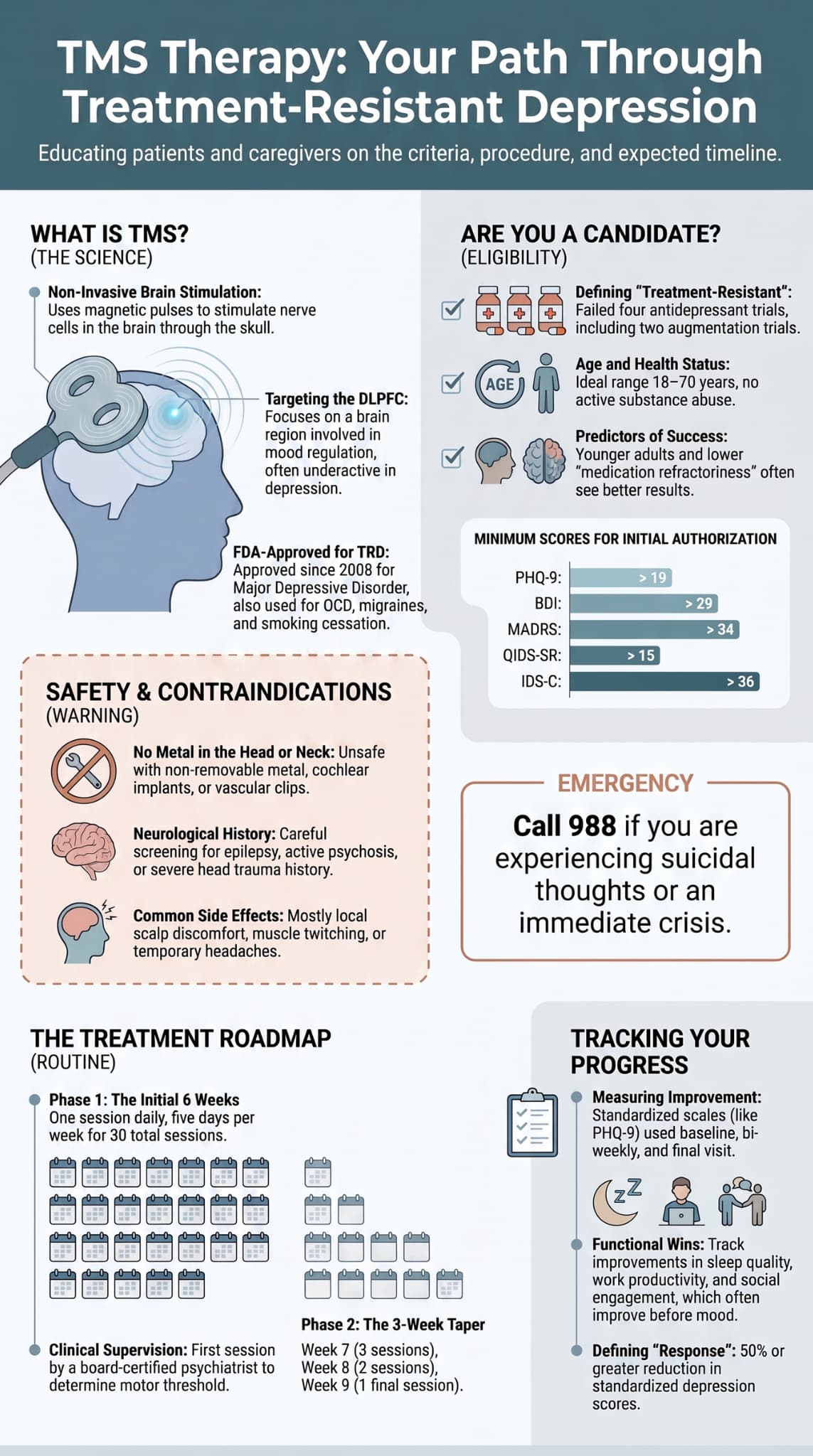
TMS is not appropriate for everyone. Patients with certain implanted electronic medical devices or nonremovable conductive metal near the head may not be eligible because magnetic stimulation can interfere with those devices. A psychiatric evaluation determines whether treatment is safe and appropriate.
What Factors Affect Treatment Results?
Several factors influence treatment outcomes, including depression severity, previous treatment history, accurate brain mapping, stimulation intensity, completing the recommended TMS therapy schedule, and maintenance therapy when appropriate.
Clinicians monitor progress throughout treatment using standardized assessments to determine whether patients are responding as expected.
When Do Patients Usually Notice Improvement?

One of the most common questions about TMS is how quickly it begins to work. The answer is different for every patient. Some notice small changes within the first few weeks, while others do not experience meaningful improvement until later in the treatment course.
Early changes are often easy to miss. A patient may sleep more consistently, feel more motivated to leave the house, or find it easier to focus at work or school. Mood may improve later. That pattern is common.
Clinical studies have reported similar findings. Many patients experience the greatest improvement during the fourth week of treatment or after completing most of the prescribed sessions. A slower response does not mean treatment has failed.
Finishing the full course of treatment is important. Most FDA-cleared TMS protocols include outpatient sessions five days each week for four to seven weeks, although the schedule depends on the device and the condition being treated.
Clinicians also monitor progress throughout treatment. Many practices use the Patient Health Questionnaire 9, or PHQ 9, to measure changes in depression symptoms over time. These scores provide an objective way to evaluate whether treatment is helping.
Some patients continue to improve after the final session. Brain activity may continue to change even after the initial treatment course ends. That has been observed in clinical research as well.
What Do TMS Patient Reviews Say About Side Effects?
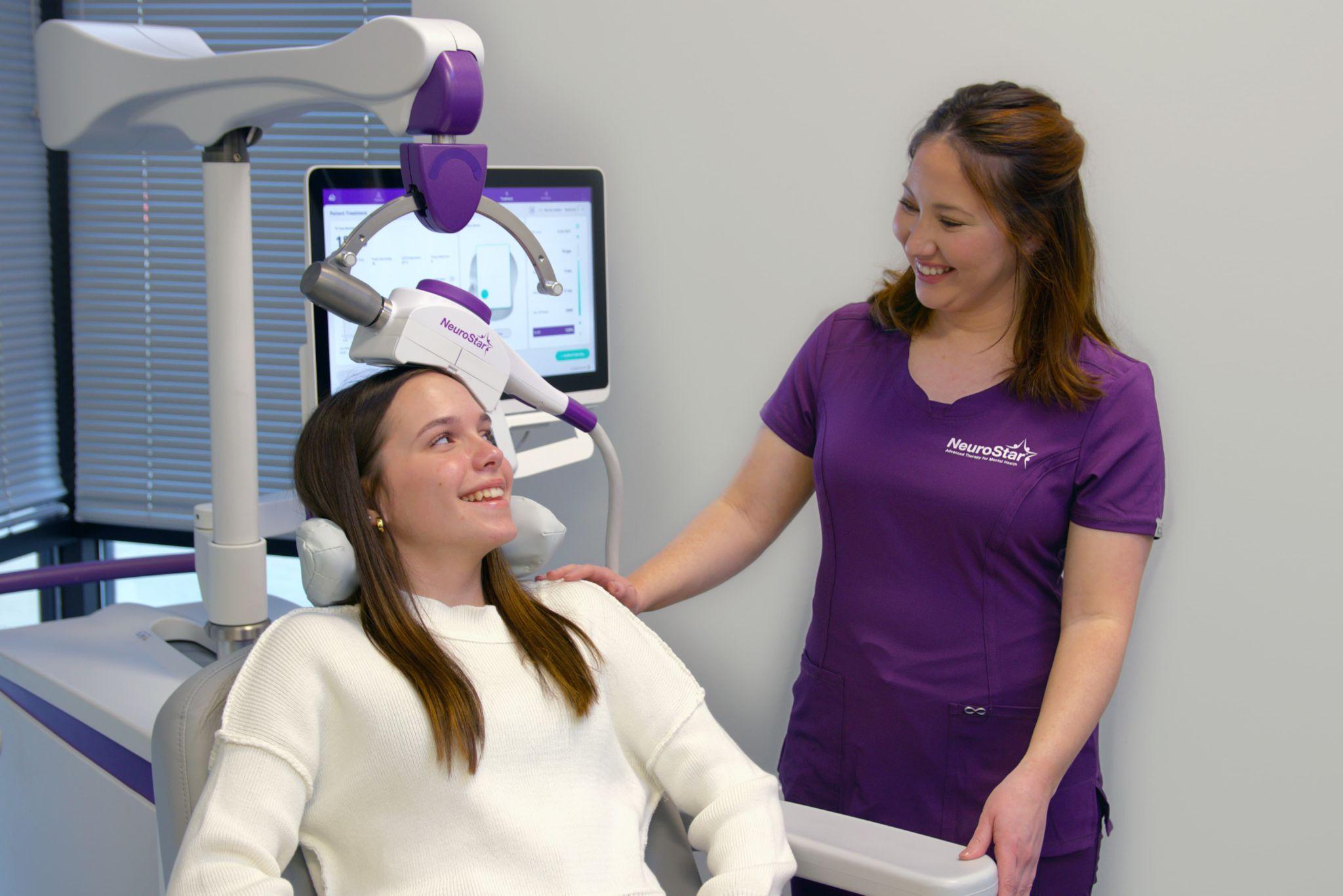
Most patient reviews describe TMS as well tolerated. Because it is a noninvasive treatment, patients remain awake during every session. No anesthesia is required, and most patients return to work, school, or other daily activities shortly after treatment.
The most common side effects are mild and temporary. They often become less noticeable after the first several sessions as patients become accustomed to the magnetic stimulation.
Common side effects include:
- Mild scalp discomfort
- Temporary headache
- Facial muscle movement during treatment
- Tenderness where stimulation is delivered
Most of these symptoms improve without additional treatment. If discomfort continues, the clinician can often adjust the stimulation settings while maintaining the prescribed treatment protocol.
Serious complications are uncommon. The most significant known risk is seizure, but published research shows that the risk remains very low when patients are screened carefully and established safety guidelines are followed.
“Current evidence indicates that rTMS is a safe and well-tolerated treatment when established safety guidelines are followed.” – Rossi S, et al. (2021)
Some patient reviews mention feeling nervous before the first session. That is understandable. Many later report that the treatment felt more comfortable than they expected.
Can Depression Return After TMS?
Yes. Depression can return after successful treatment because it is often a recurring medical condition. A return of symptoms does not mean the original treatment failed.
Some patients continue to do well for many months after completing treatment. Others notice symptoms gradually returning over time. The timing varies because depression is influenced by many clinical and biological factors.
Maintenance care may help selected patients maintain symptom improvement. Depending on the patient’s needs, this may include booster TMS sessions, antidepressant medication, psychotherapy, or a combination of treatments.
Understanding whether depression can return after TMS can also help patients set realistic expectations for long-term follow-up care.
Follow up care remains important. Regular evaluations allow clinicians to identify changes in symptoms early and recommend additional treatment if needed.
How Should Patients Choose A TMS Provider?

Choosing a TMS provider involves more than reading online reviews. The quality of the evaluation, physician oversight, and ongoing monitoring all contribute to the overall treatment experience.
Every patient should receive a comprehensive psychiatric evaluation before treatment begins. This evaluation confirms whether TMS is appropriate and helps identify any medical conditions that could affect safety or treatment response.
Patients seeking care in North Carolina can also benefit from choosing an experienced clinic for TMS therapy in Raleigh, NC that performs standardized evaluations before recommending treatment.
Patients should also ask questions during the consultation, including:
- Which FDA-cleared TMS system is used?
- Which conditions is the device cleared to treat?
- Who supervises treatment?
- How is progress measured?
- How many sessions are recommended?
- What follow up care is available?
- Does the clinic help with insurance verification?
Clinics that use standardized rating scales, including the PHQ 9, can measure progress with objective clinical data instead of relying only on personal impressions. That approach helps guide treatment decisions throughout the course of care.
What Can You Take Away From TMS Therapy Reviews?
Reading TMS therapy reviews can give you a better idea of what treatment feels like, but they don’t tell the whole story. Every person responds differently, and your diagnosis, treatment history, and completing the full treatment plan can all affect your results. That’s why a professional evaluation matters.
If you’re thinking about FDA-cleared TMS, TMS of The Carolinas can help you understand whether it’s the right fit for your needs. Their team provides personalized evaluations and treatment using the FDA-cleared NeuroStar Advanced TMS system.
If you’re ready to learn more, scheduling a consultation is a simple next step. If you’re having thoughts of self harm, call or text 988 or go to the nearest emergency department right away.
FAQs
How should patients evaluate TMS therapy reviews when considering treatment?
TMS therapy reviews can help you understand what other patients experienced, but they cannot predict your own results. Every patient responds differently because factors such as diagnosis, symptom severity, previous treatments, and overall health influence treatment response. Reading both patient experiences and clinical research provides a more complete picture of what to expect.
How do TMS clinical outcomes compare with antidepressant medication?
TMS clinical outcomes show that many people with medication resistant depression experience symptom improvement after treatment. Unlike antidepressant medication, magnetic stimulation therapy targets specific brain regions without exposing the entire body to medication. A psychiatric evaluation is necessary to determine which treatment option best matches a patient’s clinical needs.
What helps improve TMS treatment satisfaction?
TMS treatment satisfaction often improves when patients complete the recommended treatment course and attend every scheduled session. A thorough evaluation, clear treatment goals, and regular progress monitoring also contribute to a better experience. Understanding realistic expectations before treatment begins can help patients evaluate their progress more accurately throughout care.
Are long term TMS results supported by research?
Research shows that some patients maintain symptom improvement for months after completing treatment, while others may experience a return of symptoms over time. Long term TMS results depend on factors such as the underlying condition, treatment response, and follow up care. Some patients benefit from maintenance treatment when recommended by their psychiatrist.
What should patients know before starting outpatient TMS treatment?
Before starting outpatient TMS treatment, patients should receive a comprehensive psychiatric evaluation to confirm that TMS is an appropriate treatment option. They should also understand the expected treatment schedule, possible side effects, and realistic treatment expectations. Asking questions before treatment begins helps patients make informed decisions about their care.